What is an unlimited graphic design subscription? (2026 guide)
TABLE OF CONTENTS
TL;DR
An unlimited graphic design subscription gives you access to a professional design team at a fixed monthly rate, with no cap on requests or revisions. It makes financial sense if you need more than 8-10 design tasks a month. Below that, a freelancer works out cheaper. ManyPixels plans start at approximately $699/month and cover everything from social media graphics to full website design. ✅ Best for: businesses with ongoing, high-volume design needs. ❌ Skip if: you have a single one-off project.
Your designer is at capacity. Hiring someone full-time doesn't make sense for the volume you have. A freelancer works fine for one-off projects, but the vetting, scoping, and revision negotiation eat time on every single engagement.
This is the exact situation an unlimited graphic design subscription is built for.
Over the past few years, the model has gone from a niche alternative to one of the most common ways growing businesses handle ongoing design work. Research consistently shows that 59% of companies outsource to reduce costs, with access to skilled talent ranking as the second most common driver. A graphic design subscription addresses both at once. This guide explains exactly how it works, what it costs, and how to decide whether it's right for you.
What is an unlimited graphic design subscription?
An unlimited graphic design subscription is a monthly service that gives you access to a professional design team for a flat fee. You submit as many design requests as you need, and the team works through them one at a time, delivering first drafts within 24-48 hours. Unlimited revisions are included at no extra cost.
The "unlimited" part refers to requests and revisions, not simultaneous output. Designs are completed sequentially, not all at once. A designer works through your queue from top to bottom, every business day, delivering a set number of outputs per day depending on the plan you're on.
This model sits between hiring a freelancer (cheaper for one-off work, unpredictable for ongoing volume) and building an in-house team (more control, significantly higher cost). For businesses that need a steady stream of design work each month, it's typically the most cost-effective path.
How does a graphic design subscription work?
You pay a flat monthly fee, submit design requests through a project management platform, and a designer works through your queue every business day. Requests go in, first drafts come back within 24-48 hours. You review, request revisions, and approve. There are no per-project fees, no separate revision charges, and no contracts locking you in.
Here's what the day-to-day workflow looks like at ManyPixels:
- Submit a request with a brief: describe the deliverable, upload brand assets, and include reference examples
- A designer picks it up and delivers a first draft the next business day
- You review and leave feedback directly on the platform
- Revisions go back to the top of the queue, with unlimited rounds until you're satisfied
- Approved files download in native formats (Figma, Adobe) plus standard exports (PNG, JPG, PDF, SVG)
One thing buyers consistently underestimate: the queue is sequential, not simultaneous. If you submit ten requests on Monday, you won't have ten designs by Tuesday. You'll have one or two, depending on your plan. The "unlimited" label creates this expectation mismatch more often than anything else. Understanding this upfront is what separates teams that get clear value from this model from those that feel let down after the first week.
On the Designated Designer plan, which 72% of ManyPixels customers end up choosing, you work directly with a dedicated part-time designer who communicates via Slack in your timezone. Same-day delivery applies to these plans, and the designer builds familiarity with your brand and preferences over time.
The real benefits of a graphic design subscription
The reasons businesses switch to subscriptions aren't always the ones that show up in service comparisons.
1. Predictable costs
Predictable costs eliminate the negotiation loop. With freelancers, every project involves scoping, quoting, and often a back-and-forth on revision limits. With a subscription, you submit the request and the budget conversation is already settled. For marketing teams running regular campaigns, this removes a friction point that compounds across dozens of projects a year.
2. Faster production
Speed is the second real benefit. Not because subscriptions are categorically faster than freelancers, but because the process is already set up. There's no vetting, no onboarding, no contract to sign before each project begins. At ManyPixels, first drafts arrive within 24-48 hours from submission.
On top of that, design subscriptions mean you work with a whole team of designers. So, you don’t have to rely on the availability and time management of one person.
3. Saving time
The third benefit is harder to quantify but shows up consistently in how customers describe it: the mental overhead of managing design disappears. You're not hunting for a new freelancer, chasing a project that went quiet, or wondering whether the same designer will be available for the follow-up.
Whatever your project is, there’s a designer with the right skill set ready to handle it.
How much does a graphic design subscription cost?
Graphic design subscriptions typically run between $500 and $1,500 per month for standard queue-based plans, and between $1,400 and $3,000 for dedicated designer access. For context, the median annual salary for a full-time graphic designer in the US is $61,300, which works out to roughly $5,100 per month before benefits, payroll taxes, and overhead.
ManyPixels current plans (approximate, check manypixels.co for current pricing):
- 💰 Advanced: ~$699/month — one daily output, next-day delivery, project manager
- 💰 Business: ~$1,199/month — two daily outputs, all design types including motion and video
- 💰 Assigned Designer: ~$1,399/month — dedicated part-time designer, Slack communication, same-day delivery
- 💰 Design Team: ~$2,599/month — two dedicated designers, maximum throughput
To me, it's great value to pay a monthly subscription and get access to an entire design team, instead of hiring a designer who would likely cost more - Joe Howard, Founder at WP Buffs (63+ design requests through ManyPixels)
The number most buyers miss when comparing cost is cost per delivered asset, not cost per month. At $699/month with one daily output across 20 business days, you're getting roughly 20 design deliverables. At $50/hour for a freelancer, 20 outputs at even three hours each comes to $3,000. The subscription wins by a wide margin at that volume.
Is an unlimited graphic design subscription worth it?
Yes, if you consistently need more than 8-10 design tasks per month. Below that volume, a freelancer works out cheaper per project. Above it, a subscription almost always wins on cost, and the process advantages compound over time as your designer learns your brand.
The break-even math is straightforward. At $699/month for a standard subscription against a mid-level freelancer charging around $50/hour, you're break-even at roughly 14 hours of freelance work per month. Exceed that, and the subscription delivers more value. Fall short, and it doesn't.
Be real: most comparisons on this topic leave you with "it depends" and nothing else. Here's a sharper take. The businesses that get the most from subscriptions are marketing teams, agencies, and growing companies sitting on a backlog of design work they've been deferring. The ones that don't are the ones who sign up with two projects in mind and then run out of things to submit.
Subscription design is a volume play. The more you use it, the cheaper it gets per asset. A single landing page can cost more from a freelancer than a month of a subscription that also delivers 15 social media graphics, a pitch deck, and three ad variations in the same period.
Who should get a graphic design subscription?
Three types of businesses get clear, consistent value from this model.
Marketing teams with ongoing content needs. If your team produces social media content, ad creatives, email graphics, and landing pages on a recurring cycle, a subscription removes the project management overhead. You run a queue, not a procurement process. According to research aggregating data from Deloitte's Global Outsourcing Survey, reducing costs and accessing skilled talent are the top two reasons businesses choose to outsource. A design subscription addresses both at once.
Agencies managing multiple client brands. Subscription services that support unlimited brand profiles let agencies run client work through a single design resource. Several ManyPixels customers are agencies that use the platform to handle execution while their in-house team focuses on strategy and client relationships.
Startups and small businesses without an in-house designer. The alternative for most early-stage companies is either designing in-house (which pulls a founder or marketer away from higher-value work) or piecing together multiple freelancers for different project types. A subscription handles all of it under one roof at a predictable monthly cost. See our overview of the best affordable design subscription services in 2026 for a full comparison of the main options.
Who shouldn't get a graphic design subscription?
This model doesn't work for everyone. Worth being direct about where it falls short.
You have a single project. If you need one logo or one set of brand guidelines, the economics don't hold. A freelancer or a one-time project will almost always be cheaper than a full month's subscription. The subscription model is specifically built for ongoing volume, not one-and-done work.
You need a collaborator in real time. Subscription design is asynchronous. You brief, they deliver, you revise. If your creative process depends on real-time brainstorming sessions or a designer who can sit in on a meeting, this model won't fully fit. ManyPixels' Assigned Designer plans include Slack communication during business hours, which gets closer to that experience. But it's not the same as someone who can turn around a sketch in a 30-minute call.
Your work requires deep specialization. Subscription services cover a wide range of standard deliverables: social graphics, ads, presentations, web design, illustrations, motion graphics. If you need complex 3D product rendering, highly technical industrial illustration, or editorial illustration with a very specific artistic direction, the generalist model may not deliver the depth you need.
Bottomline: if you're submitting fewer than 8 requests a month, a subscription probably isn't cost-effective for you. Above 15, it almost always is.
How to choose a graphic design subscription
There are roughly a dozen well-established services in this category. The differences between them matter more than the marketing suggests. Here's a practical framework.
If you need the full range of design types (web, illustrations, motion, video): ✅ Look for services that cover all asset types on their base plan. Some services restrict motion graphics or web design to premium tiers. Check what's actually included before you commit.
If turnaround speed is your top priority: ✅ Choose a service with a dedicated designer option, not just a managed queue. Dedicated plans deliver same-day on most standard requests and allow direct communication. Queue-based plans deliver within 24-48 hours, which is fast for most workflows, but not for genuinely urgent needs.
If you're an agency managing multiple client brands: ✅ Make sure the service supports unlimited brand profiles. Some lower-priced services cap you at one or two brands, which becomes a bottleneck quickly at agency scale.
If you want to test before committing: ✅ Look for services that offer a free trial or a money-back window. Seeing one real deliverable is worth more than any amount of research. ManyPixels offers a free consultation before you subscribe so you can assess fit before your card is charged.
If cost is the primary driver: 💰 Start at the lowest tier and assess actual output volume after two to three weeks. A lot of teams discover they need fewer design tasks than they estimated, or far more. Real usage data beats any forecast.
To give that framework some grounding, here's how the four most established services compare at a glance:
For a deeper breakdown of each service including Trustpilot ratings, turnaround data, and plan-by-plan comparisons, see the full design subscription services comparison or our head-to-head Design Pickle vs ManyPixels vs Penji vs Superside breakdown.
Frequently asked questions
Bottom line
An unlimited graphic design subscription makes financial and operational sense for any business that needs consistent design output. The cost advantage over freelancers kicks in around 8-10 tasks per month and compounds from there. The process advantage (no vetting, no scoping, no per-project negotiation) shows up across every project you submit.
The services that disappoint buyers aren't the bad ones. They're the ones used by the wrong type of buyer. If you have a backlog of design work and a recurring need for new assets, this model will almost certainly deliver more value than your current setup. If you're looking for help with a single project, it won't.
ManyPixels plans start at $699/month.
👉 See current pricing and plan details, or book a free consultation to find out which plan fits your workflow.

Having lived and studied in London and Berlin, I'm back in native Serbia, working remotely and writing short stories and plays in my free time. With previous experience in the nonprofit sector, I'm currently writing about the universal language of good graphic design. I make mix CDs and my playlists are almost exclusively 1960s.

Top-quality designers
A complete creative team at your fingertips: graphic and web designers, illustrators, and more.

Lightning-fast turnaround
Get start today and receive your first update on the next business day.

All-inclusive pricing
Unlimited requests and revisions. One flat monthly fee. No surprises.

Flexible & scalable model
No contract. Scale up and down as needed. Pause or cancel at anytime.
Continue reading
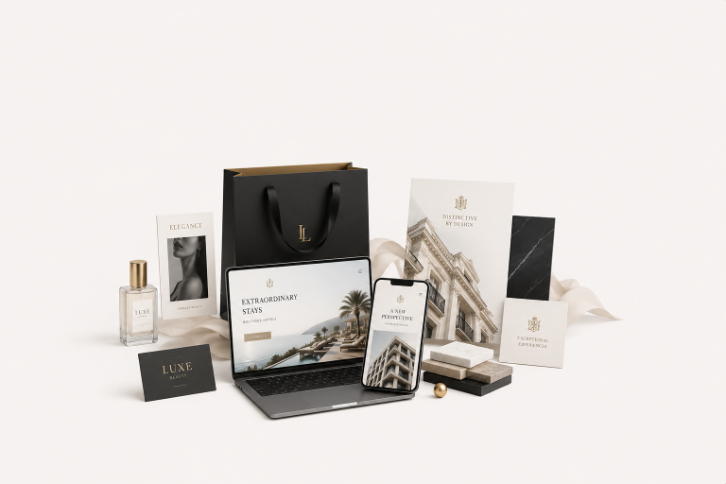

Explore some of our best designs
Get inspired by a curated selection of ManyPixels work. Download the portfolio to see what our team can create.